

Magnalube-G MSDS(English)


MATERIAL SAFETY DATA SHEETS
1. PRODUCT AND COMPANY IDENTIFICATION
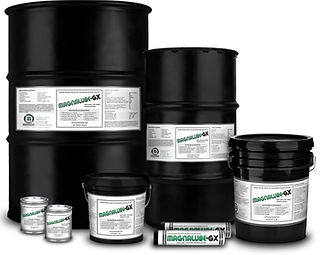
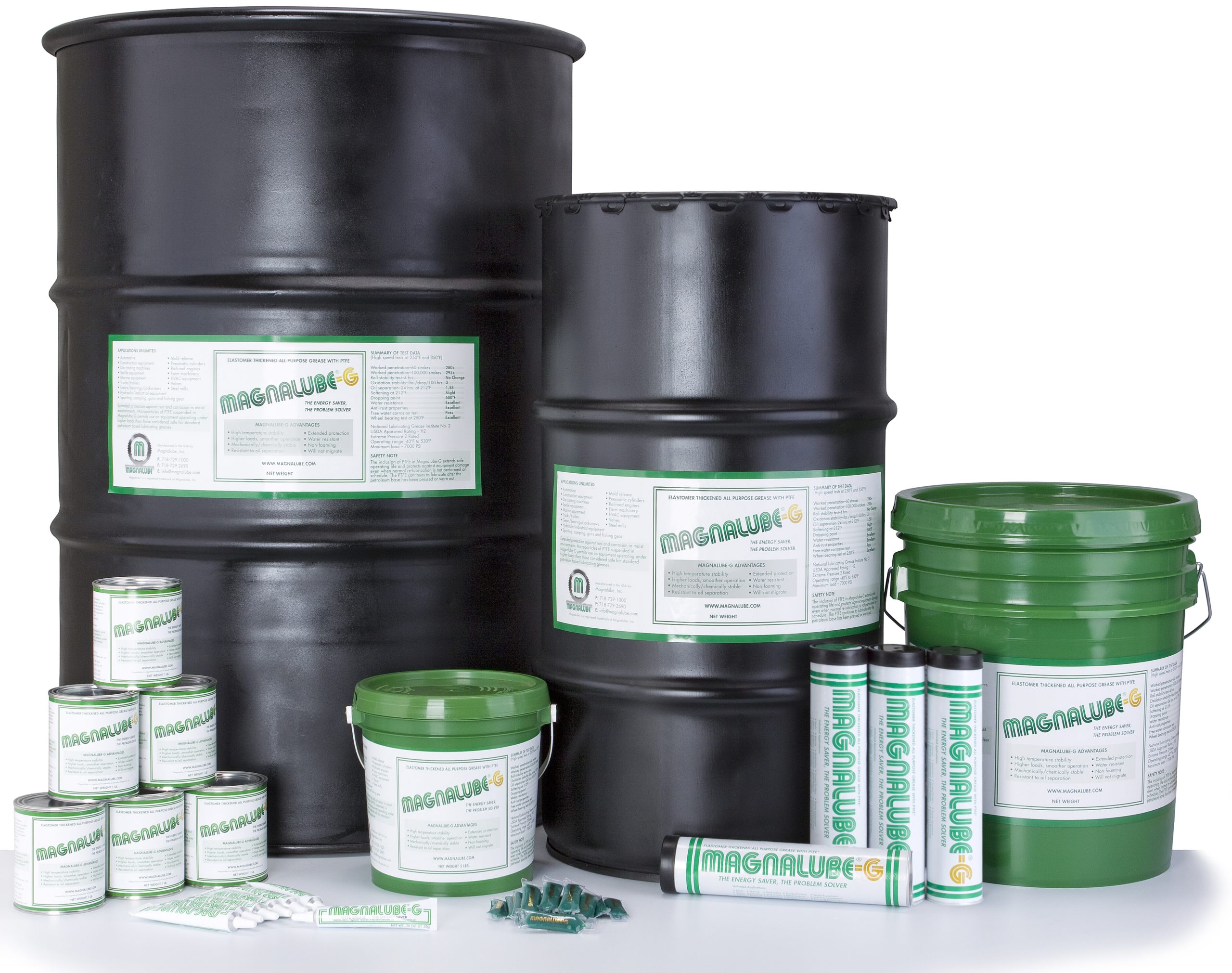
Trade Name: Magnalube-G
Product Description: Lubricating Grease
Product Numbers: MG75, MG145, MG1LB, MG5LB, MG35LB, MG120LB, MG400LB
Product Use: Lubricating Grease
Manufacturer:
Magnalube, Inc.
PO Box 1250
Linden, NJ 07036
Tel: (718) 729-1000
Fax: (718) 729-2690
Emergency Telephone: Infotrac
U.S. and Canada: 1 (800) 535-5053
Outside the U.S. and Canada: 1 (352) 323-3500
Date of Last Issue: January 11th 2010
2. COMPOSITION AND INFORMATION ON INGREDIENTS
Ingredient Name: Highly Refined Mixture: Lubricating Oils, Petroleum, Base Oils
CAS No. WEIGHT
See full list below (***) 76-80 %
Ingredient Name: Organic Polyurea Thickener, Proprietary PTFE Thickener
(TSCA proprietary compound EPA file # 26847 Non-Hazardous)
CAS No. WEIGHT
ACC26847 20-24%
ACC26847
Composition Comments: Refer to section eight (8) for exposure limits on ingredients. Chemical ingredients not regulated by OSHA or SARA are proprietary and treated confidentially.
(***) The base oil for this product can be a mixture of any of the following:
CAS 72623871; CAS 64741975;CAS 64742014; CAS 64742525; CAS 64741953; CAS 64742536;
CAS 64741884; CAS 64742547;CAS 64742558; CAS 64742569; CAS 64742570; CAS 64741895; CAS 64741964;CAS 64742627;
CAS 64742638; CAS 64742650; CAS 72623837; CAS 72623859; CAS 72623860.
The petroleum base oils contained in this product have been highly refined by a variety of processes including:
Solvent extraction, solvent dewaxing and hydrotreating to remove aromatics and improve performance characteristics.
Carcinogenicity: All petroleum base oils contained in this product meet the IP 346 criteria of less than 3 percent DMSO extractable PAH’s and are not considered carcinogens by IARC, NTP or OSHA.
3. HAZARDS IDENTIFICATION
EMERGENCY OVERVIEW: Exposure to vapors generated at high temperatures may cause respiratory irritation.
Carcinogenicity: IARC: Not listed as a Group 1, 2A, or 2B agent. OSHA: Not regulated. NTP: Not listed.
Eyes: May cause mild eye irritation.
Ingestion: May cause discomfort if swallowed.
Inhalation: May cause respiratory irritation.
Sensitization: No known information.
Skin: May cause skin irritation/eczema.
HEALTH WARNINGS:
Eye Contact: Irritating.
Ingestion: Can cause stomach ache and vomiting. Main hazard, if ingested, is aspiration into the lungs and subsequent pneumonitis.
Inhalation: Heating can generate vapors that may cause respiratory irritation, nausea and headaches. Inhalation hazard at room temperature is unlikely due to the low volatility of this product.
Skin Contact: Repeated or prolonged contact can result in drying of the skin.
Route of Entry: Inhalation. Skin and/or eye contact. Ingestion.
4. FIRST AID MEASURES
Eyes: Rinse the eye with water immediately. Continue to rinse for at least 15 minutes. Contact physician if discomfort continues.
Ingestion: DO NOT INDUCE VOMITING! Get medical attention immediately! Do not give milk or oil. Administer large amounts of water. If vomiting occurs, keep head low so that stomach content does not get into the lungs.
Inhalation: Under ambient conditions vapor inhalation is normally not a problem. If overcome by vapor of hot product, immediately remove exposed person from source of exposure. Move the exposed person to fresh air at once. For breathing difficulties oxygen may be necessary. Get medical attention if any discomfort continues.
Skin:Remove contaminated clothing. Wash skin thoroughly with soap and water. Get medical attention if any discomfort continues.
5. FIRE FIGHTING MEASURES
Flash Point: (°C) 210 (410°F) Cd OC (Cleveland open cup).
Auto Ignition Temperature: (°C) N/A
Flammability Limit - Lower(%): N/D
Flammability Limit - Upper(%): N/D
Extinguishing Media: Use carbon dioxide (CO2). Dry chemicals, sand, dolomite etc. Alcohol resistant foam. Water spray, fog or mist
Special Fire Fighting Procedures: Use water to keep fire exposed containers cool and disperse vapors. Water
spray may be used to flush spills away from exposures and dilute spills to non-flammable mixtures. Avoid water in straight hose stream; will scatter and spread fire. Keep run-off water out of sewers and water sources. Dike for water control.
Unusual Fire & Explosion Hazards: Pressure will increase in over heated, closed containers.
Hazardous Combustion Products: Acrid smoke/fumes. Oxides of: Carbon. Nitrogen. Sulfur.
Protective Measures In Case of Fire: Self-contained breathing equipment and chemical resistant clothing recommended.
6. ACCIDENTAL RELEASE MEASURES
Personal Precautions: Minimize skin contact. Avoid breathing vapors. Wear an appropriate respirator if exposure exceeds recommended guidelines. Remove sources of ignition. Wear suitable eye protection.
Precautions To Protect The Environment: Keep product out of sewers and watercourses by diking or impounding.
Advise authorities if product has entered or may enter sewers, watercourses or extensive land areas. Assure conformity with applicable government regulations.
Spill Clean-Up Procedures: Keep all sources of ignition and hot metal surfaces away from spill. Avoid contact
with eyes or skin. Place leaking containers in well ventilated area. If fire potential exists, blanket spill with foam or use water spray to disperse vapors. Contain spill to minimize contaminated area and facilitate salvage or disposal. To clean up spill, flush area sparingly with water or use absorbent material. Avoid discharge to natural water ways.
7. HANDLING AND STORAGE
Handling Precautions: Keep away from heat, sparks and open flame. Ventilate well, avoid breathing vapors. Use approved respirator if air contamination is above accepted level. Do not reuse container. Keep lid closed when not in use. Do not store or mix with strong oxidizers. Avoid spilling, skin and eye contact. Eye wash and emergency shower must be available at the work place.
Handling Description: Prevent small spills and leakages to avoid slip hazard.
Storage Precautions: Store separate from strong acids and oxidizers. Keep away from heat, sparks and open flame.
Storage Criteria: Chemical storage.
8. EXPOSURE CONTROLS AND PERSONAL PROTECTION
Component: Lubricating Oils, Petroleum, Base Oils, Highly Refined Mixture (***)
STD TWA STEL
OSHA 5 mg/m3 as oil mist
ACGIH 5 mg/m3 as oil mist 10 mg/m3 as oil mist
PROTECTIVE EQUIPMENT:
Gloves and protective eyewear recommended.
Engineering Controls: Use engineering controls to reduce air contamination to permissible exposure level.
Eye Protection: Wear splash-proof eye goggles to prevent any possibility of eye contact.
Protective Gloves: Chemical resistant gloves recommended to prevent prolonged or repeated contact.
Protective Clothing: Wear appropriate clothing to prevent repeated or prolonged skin contact.
Respirators: No specific recommendation made, but respiratory protection may still be required under exceptional
circumstances when excessive air contamination exists.
Hygienic Work Practices: Wash at the end of each work shift and before eating, smoking and using the toilet.
Ventilation: No specific ventilation requirements noted, but forced ventilation may still be required if air contamination exceeds acceptable level.
9. PHYSICAL AND CHEMICAL PROPERTIES

Appearance/Physical State: Grease.
Color: Green.
Odor: Mild (or faint). Petroleum.
Solubility Description: Insoluble in water.
Specific Gravity: 0.8880
pH-Value, Conc. Solution: N/A

10. STABILITY AND REACTIVITY

Stability: Normally stable.
Conditions To Avoid: Contact with acids and oxidizing substances.
Hazardous Polymerization: Will not occur.
Polymerization Description: Not applicable
Hazardous Decomposition Products: Oxides of Carbon. Nitrogen. Smoke, carbon monoxide, carbon dioxide, aldehydes and other products of incomplete combustion.

11. TOXICOLOGICAL INFORMATION

Toxicological Information: No experimental toxicological data on the preparation as such is available.


COMPONENT: Lubricating Oils, Petroleum, Base Oils, Highly Refined Mixture (***)
Toxicological Data: WHMIS (Canada) = Not a controlled product.
Toxic Dose - LD50: > 5000 mg/kg (oral rat)
Toxic Dose - LD50 Skin: > 2000 mg/kg (skn rbt)
Toxic Conc. - LC50: No Information Available (NIA).
Irritation: Prolonged skin contact may cause irritation.
Sensitization: Not known to be a sensitizer.

COMPONENT: Organic Polyurea Thickener (TSCA Accession #26847)
Toxic Dose - LD 50: No Information Available (NIA).
Toxic Conc. - LC 50: No Information Available (NIA).
Proprietary PTFE Thickener

12. ECOLOGICAL INFORMATION

Ecological Information: There is no ecological data on the product itself.


COMPONENT: Lubricating Oils, Petroleum, Base Oils, Highly Refined Mixture (***)
COMPONENT: Organic Polyurea Thickener (TSCA Accession #26847)
Proprietary PTFE Thickener

13. DISPOSAL CONSIDERATIONS

Disposal Methods: Spilled material, unused contents and empty containers must be disposed of in accordance with local, state and federal regulations.

14. TRANSPORT INFORMATION

DOT Hazard Class: Not regulated.
Reportable Quantity (RQ): No.
TDGR Class: Not Regulated.
IMDG Class: Not Regulated.
Sea Transport Notes: Not regulated per IMDG.
Air Transport Notes: Not regulated per IATA.

15. REGULATORY INFORMATION
US FEDERAL REGULATIONS:
COMPONENT: Lubricating Oils, Petroleum, Base Oils, Highly Refined Mixture (***)
SARA 302 CERCLA SARA 313
No No No
COMPONENT: Organic Polyurea Thickener (TSCA Accession #26847)
SARA 302 CERCLA SARA 313
No No No
Regulatory Status: Not regulated under SARA 302, SARA 313 or CERCLA.
CLEAN AIR ACT:
COMPONENT: Lubricating Oils, Petroleum, Base Oils, Highly Refined Mixture (***)
CAA Accidental Release Prevention: No
COMPONENT: Organic Polyurea Thickener (TSCA Accession #26847)
CAA Accidental Release Prevention: No
SARA Hazard Categories: Acute Chronic
US STATE REGULATIONS:
COMPONENT: Lubricating Oils, Petroleum, Base Oils, Highly Refined Mixture (***)
CA MA FL MN NJ PA RI
No No No No No No No
COMPONENT: Organic Polyurea Thickener (TSCA Accession #26847)
CA MA FL MN NJ PA RI
No No No No No No No

STATE REGULATORY STATUS:
California Proposition 65 Cancer Hazard: This product contains the following chemical(s) considered by the State of California’s Safe Drinking Water and Toxic Enforcement Act of 1986 as causing cancer, and for which warnings are now required: Benzenamine, 4,4`-methylenebis-, cancer hazard, CAS# 101-77-9, <10 ppm.
Workplace Hazardous Materials Information System - WHMIS: This product has been classified in accordance with the hazard criteria of the Controlled Products Regulations and the MSDS contains all the information required by the Controlled Products Regulations.

CONTROLLED PRODUCT:
Classification: Not a controlled product.
RISK PHRASES:
Risk Phrases Applicable in the European Union (EU): Classification per manufacturer.
R-52 Harmful to aquatic organisms.

GLOBAL INVENTORIES:

COMPONENT: Lubricating Oils, Petroleum, Base Oils, Highly Refined Mixture (***)

CAN US EU AUS JAP KOR PHLP CHN
DSL Yes EINECS Yes Yes Yes Yes Yes
COMPONENT: Organic Polyurea Thickener (TSCA Accession #26847)
CAN US EU AUS JAP KOR PHLP CHN
DSL Yes EINECS No Exempt No No Yes
PROPRIETARY PTFE THICKENER:
CAN US EU AUS JAP KOR PHLP CHN
Yes Yes N/A N/A Yes Yes Yes Yes

USA (TSCA): All components in this product are listed on the US Toxic Substances Control Act (TSCA) Inventory or are exempt from TSCA Inventory requirements.


Canada (DSL): All components in this product are listed on the Canada Domestic Substances List (DSL) or are exempt from DSL requirements


Europe (EINECS/ELINCS/NLP): All components in this product are listed on the European Inventory of New and Existing Chemical Substances (EINECS), the European List of Notified Chemical Substances (ELINCS), or the No Longer Polymers (NLP) list, or are exempt from EU listing requirements.


Japan (ENCS): All components in this product are listed on the Japan Inventory of Existing and New Chemical Substances (ENCS) or are exempt from ENCS requirements.
Phillipines (PICCS): This product contains one or more components that are NOT LISTED on the Philippines Inventory of Chemicals and Chemical Substances (PICCS) and are NOT EXEMPT from PICCS requirements.
Australia (AICS): This product contains one or more components that are NOT LISTED on the Australian Inventory of Chemical Substances (AICS) and are NOT EXEMPT from AICS requirements.
Korea (ECL): This product contains one or more components that are NOT LISTED on the Korea Existing Chemicals List (ECL) and are NOT EXEMPT from KECL requirements.
China (IECS): All components in this product are listed on the China Inventory of Existing Chemical Substances (IECS) or are exempt from IECS requirements.

16. OTHER INFORMATION

NFPA-HMIS HAZARD RATING:


Health: Irritation, minor residual injury (1) - HMIS/NFPA
Flammability: Burns only if pre-heated (1) - HMIS/NFPA
Reactivity: Normally Stable (0) - HMIS/NFPA
NPCA HMIS Hazard Index: Slight; Slightly Toxic - May cause slight irritation (1).
Personal Protection Index: B - Safety Eyewear and Gloves
NPCA HMIS Flammability Index: Burns only if pre-heated (1).
Tariff Code (Schedule B): 2710.19.3750 Lubricating greases, with or without additives.

REVISION COMMENTS:


Prepared By: Compliance
Replacement of MSDS generated: July 7th 2008
Date: January 11th 2010


Disclaimer: While the information and recommendations set forth herein are believed to be accurate as of th date there of, the company makes no warranty with respect thereto and disclaims all liability from reliance therein.